

Nature's News
Exploring the Cultural Significance of the Mānuka Tree
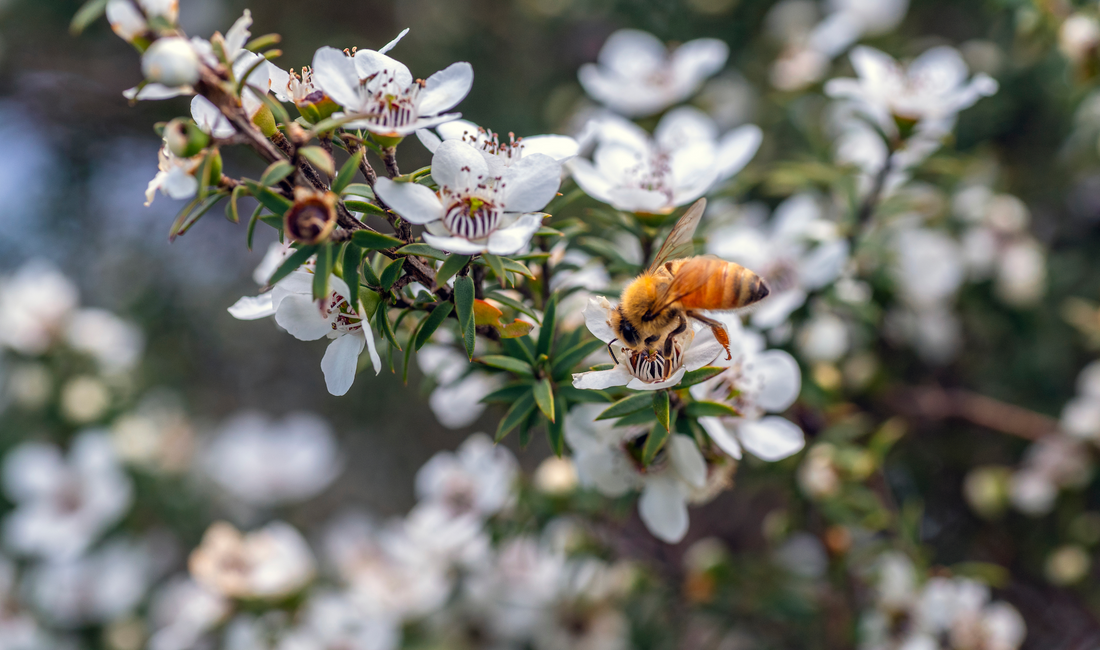
While Mānuka honey enjoys global fame for its remarkable properties, the story of the Mānuka tree runs much deeper in the native roots of New Zealand. Beyond its role as the source of this “liquid gold”, the Mānuka tree holds a significant place in Māori culture, history and the country’s unique identity - which is what brings such significant value to Mānuka honey as a product. Today, we’ll delve into the fascinating cultural connections between New Zealand and the versatile Mānuka tree - responsible for producing the ingredients to Primal by Nature's world class honey products. Mānuka in Māori Tradition For indigenous Māori, the Mānuka tree has been an invaluable treasure for centuries as it’s been woven deeply into their daily lives and spiritual practices. This versatile tree, known formally as “Leptospermum scoparium” provided a wealth of resources, showcasing the interconnectedness of Māori and the natural world. In terms of traditional medicine, the Māori harnessed Mānuka’s properties in numerous ways. According to studies, infusions made with the leaves were used to reduce fevers and treat stomach and urinary problems. Gum produced from the tree was used as a moisturiser for burns, and to ease coughing. Meanwhile, decoctions from the bark were used as a sedative, a mouthwash and to treat diarrhoea and fever. Beyond its value for wellbeing, Mānuka also played a crucial role in practical applications. Its strong and durable wood was expertly crafted into tools, weapons and even building materials for houses. The bark, when stripped and shaped, became containers for storing food and water while the inner bark, known for its waterproof nature, was ingeniously used as a protective layer for roofing. Furthermore, the Māori held a deeply spiritual appreciation for the Mānuka tree, likely featuring it in rituals and ceremonies. In Māori folklore, the Mānuka tea tree was considered a gift from the gods - containing healing powers to protect the people. The honey produced from its nectar was believed to carry the same divine properties and was thought capable of curing illnesses and warding off evil spirits. This holistic approach to utilizing the Mānuka tree highlights the profound respect Māori held for the natural world and their understanding of its intricate balance. Mānuka Woven Into New Zealand’s Identity The Mānuka tree isn’t just a botanical specimen - it’s deeply intertwined with New Zealand’s national identity - embodying the very essence of the country’s natural beauty, resilience and cultural heritage. Native to New Zealand, early European settlers were quick to pick up on the knowledge founded by the Māori and used the leaves to make tea and even brew beer. They extracted oil from the leaves for medicinal and cosmetic purposes and the wood of the tree was used for tools and furniture. These days, the sight of Mānuka flowers - with its delicate white and pink flowers blooming across diverse landscapes - has become an iconic representation of the country’s natural beauty. These blossoms, often captured in photographs and artwork, evoke a sense of serenity and connection to the land - resonating deeply with Kiwis and visitors alike. It’s due to this iconic nature of the Mānuka plant that it now sits at the centre of modern New Zealand society - playing a vital role in environmental conservation, cultural revival and even artistic inspiration. The Mānuka tree has become the focal point for protecting and cultivating the environment through recognition of the vital role that Mānuka plays in the ecosystem. In 2019, an experiment was carried out by the Institute of Environmental Science and Research (ESR) to determine whether Mānuka trees can reduce nitrate run-off from farms entering the shores of a lake in the Waikato. Results confirmed that the root system of the tree was capable of reducing both pathogens and nitrates. There’s been increased movements to protect and restore Mānuka forests - these movements have been driven by the understanding that these forests provide essential habitat for a variety of native birds and insects, contributing to the overall biodiversity and health of the New Zealand environment. Government initiatives in this space include the National Policy Statement for Indigenous Biodiversity - introduced in 2023 in an effort to require local councils to actively protect and enhance indigenous biodiversity - including Mānuka plants. The Mānuka plant was also one of the key species in many projects of the Government’s One Billion Trees programme, allocating funding to support native forest restoration. Furthermore, there’s been a resurgence of interest in traditional Māori knowledge surrounding the Mānuka tree. This knowledge, passed down orally through generations, encompasses a deep understanding of the tree’s properties and uses for wellbeing, tools and spiritual practices. Today, communities and organisations are actively working to understand and revitalise these traditions, incorporating them into contemporary practices such as natural health remedies and ecological restoration projects. This cultural revival not only strengthens the connection between Māori and their heritage, but also provides valuable insights for creating a more sustainable and harmonious relationship with the natural world. The Mānuka tree also serves as a powerful muse for artists, writers, and musicians. Its beauty, resilience, and cultural significance has inspired creative expressions in a variety of forms. Painters capture the delicate beauty of Mānuka blossoms on canvas, while writers weave tales of its strength and connection to the land. Musicians find inspiration in the rustling leaves and the humming of bees amongst the Mānuka flowers, composing songs that evoke the spirit of New Zealand. This artistic engagement further reinforces the Mānuka tree's place in New Zealand's identity, ensuring its story continues to be told and celebrated for generations to come. Mānuka: A Slice of Culturally Significant Kiwi Nature The Mānuka tree is far more than just a source of the famous honey that bears its name, it represents a link between the country’s past, present and likely its future. For the Māori people, it was considered a treasure for centuries. They used it for medicinal purposes, tools and shelter - even using it within spiritual contexts. This intimate knowledge and respect for the Mānuka tree speaks volumes about their attitude towards the plant - it wasn’t a resource to be exploited, but a living entity to be protected. Today, the Mānuka tree continues to inspire and connect people to the land. Conservation efforts continue to preserve and restore Mānuka forests, recognising their vital role in biodiversity and ecosystem health. By appreciating the cultural significance of the Mānuka tree, we gain a deeper understanding of New Zealand’s unique story. It’s one of resilience, resourcefulness and a deep connection to the natural world.
Learn more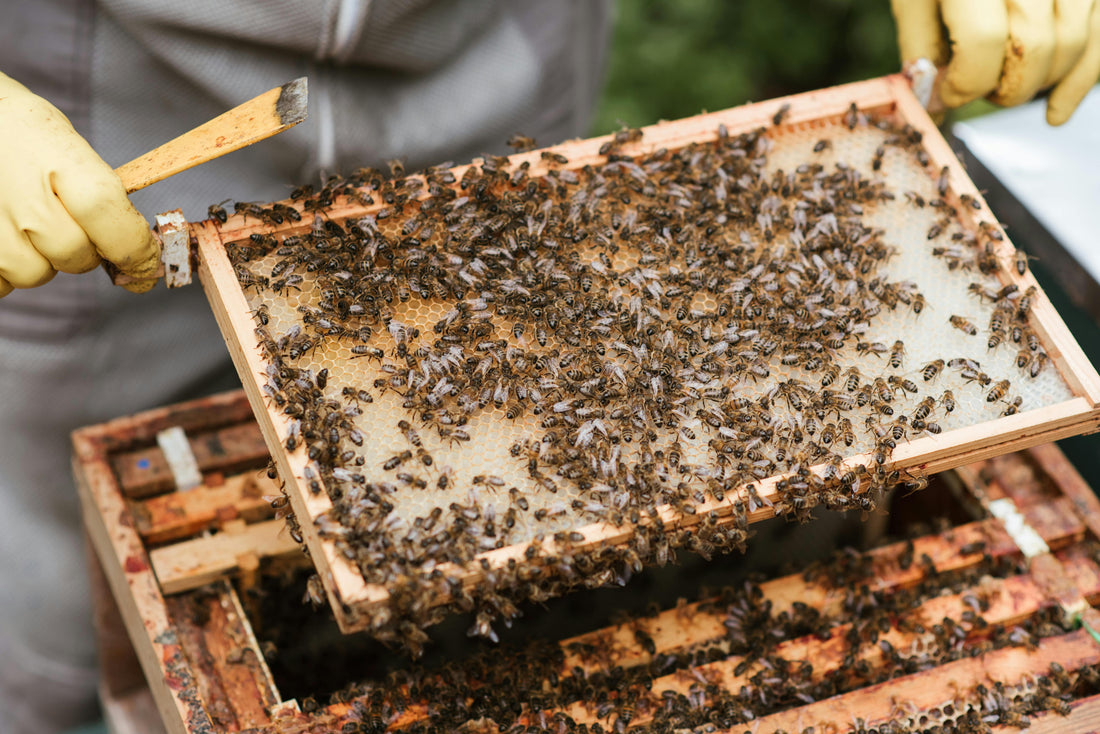
Behind The Hive: Primal's Commitment To Ethical Beekeeping
Here at Primal by Nature, we work hard to deliver a product that isn’t just high quality and great-tasting but also created with sustainable and ethical practice. Thanks to the dedicated work of our beekeepers, we can produce high-grade mānuka honey with a process we can stand by. With the growing importance of ethical practice in all food industries - especially honey - our beekeepers work hard to not just meet the standard, but raise it higher. The welfare and sustainability of our hives is a critical component to the creation of Primal by Nature's products, we remain committed as ever to maintaining this. Our beekeepers are experts - knowing exactly what our bees need and how to produce the best-tasting and highest-quality mānuka honey to leave New Zealand’s shores. What Is Ethical Beekeeping? Ultimately, ethical beekeeping is all about ensuring the welfare and safety of bees and their natural surroundings. Preserving their environment, treating the bees and their process with respect, maintaining the hives and protecting the hives from external dangers are among the practices that our beekeepers commonly follow. To care for the honey, workers must first care for the ones that create it. It’s a requirement for our beekeepers to understand not just bees and their honey-making processes, but the wider picture as a whole. It’s learning about the environment - the range of factors that influence the honey-making process. Beekeepers that understand this ecosystem will practise their craft ethically and responsibly. Caring for bees means caring about the world they live in. Our beekeepers know this, and their work reflects it. The Role of Primal by Nature's Beekeepers The beekeeping crew at Primal by Nature are trained, expert professionals who deeply understand and care for the lifestyle and work of their bees. They understand the impacts of their work - if it’s done well, the bees thrive and the mānuka honey produced is high quality. We ensure every beekeeper who joins Primal by Nature is qualified, but ongoing training is a pivotal part of our crew’s ongoing development. Our beekeepers will be regularly researching new sustainable practices and refining their craft with the best interests of the bees. There’s day-to-day responsibilities that our beekeepers hold. Depending on the weather conditions, our team might be carrying out pest checks - which ensure the bees are safe from animals that might do harm - or be monitoring the colonies for any signs of distress. The beekeepers will inspect the brood (or nurseries) inside the hives to make sure the baby bees are growing healthily, they’ll also check whether particular colonies have larger amounts of eggs appearing. This might be a sign the queen bee is actively laying. Add in the additional responsibilities of caring for the wider environment, plus harvesting the mānuka, and you quickly realise our beekeepers have a lot of work on their plate. It’s critical the process is ethically practised so our bees remain safe and the honey remains at the highest standard possible. How Do Our Beekeepers Ethically Maintain and Harvest the Mānuka Honey? Beekeeping is all about working in harmony with the bees. There’s a partnership between the keeper and the insects, when both work together the product is of the highest quality. It begins with letting nature run its course. Our beekeepers know that our bees have been producing mānuka honey for thousands of years without their help, so there’s no room for micromanagement or over-controlling the bee’s environment. Sometimes the best way to help bees when they’re overcoming environmental or health challenges, is to leave them alone. Our beekeepers practise a non-invasive approach to maintaining the hives and harvesting the honey. This is done to minimise the stress and disruption to the bees, it’s critical they remain feeling safe so the quality of their product never drops. The queen, for example, is integral to a hive’s survival. When our beekeepers harvest the mānuka, they’re trained to recognise the queen and avoid disrupting her during the honey collection. Also, we avoid any practices that encourage artificial mating within the hives, to ensure the queen does what she does best - populate the colonies. Our hives are designed for the environmental thriving of the bees. We actively avoid overcrowding the hives and we’re also intentional about the size of the hives - for instance the larger they are, the more often the bees can find themselves overworked. Our hives are sized appropriately to protect the work ethic of these productive creatures. We won’t use honey replacements or any harmful chemicals, we’ll also avoid any pesticides that can cause serious harm to bee populations. At the end of the day, our keepers are constantly working to provide a sustainable future for our bees - which means remaining vigilant to their practices and tweaking them whenever necessary. The Benefit of High Standards for Mānuka Honey Beekeeping Because mānuka is such a high quality honey product, the results must be reflected in the work to create it. The ethical practices of our beekeepers leads to a superior form of mānuka honey, free from contaminants and rich in natural nutrients. Bees need the freedom to create mānuka honey in the most natural way possible - the more human interference, the more likely the product will lose its value, either through its taste or overall quality. It’s critical that when our beekeepers are overseeing the honey making process, they understand their role is one of stewardship, not control. Some beekeepers might believe they know best and fall into the trap of over-controlling the mānuka making process. This will likely lead to a form of honey product that barely reflects mānuka’s quality, ingredients and taste. Our beekeepers are different, they understand the delicacy of the work the bees are carrying out - and what a beekeeper’s responsibility actually looks like. We’re transparent with our ethical approach to beekeeping, because it’s important our customers can trust the product they’re purchasing. We live in an age where sustainability and ethical practice actually means something - they can’t be meaningless virtues, they’ve got to be put to work. Fortunately, every team member at Primal by Nature - starting with our beekeepers on the ground - are deeply dedicated to sustainable practice. It’s not just a virtue, it’s a conviction that our entire team holds dear. It ensures the honey production remains as natural as possible, and that the product we produce is the best form of mānuka honey available on the market. Ethical Beekeeping Results in the Best Mānuka Products Available At Primal by Nature, ethical beekeeping is more than a practice, it’s a promise. Our dedication to ethical beekeeping ensures that every jar of mānuka honey is hitting the highest standards, whilst still supporting sustainable and responsible production. Our beekeepers are always concentrated on the well-being of our bees, ensuring their harvesting and maintenance work supports environmental stewardship and the health of our ecosystems. Purchase Primal by Nature's mānuka product and you’re not just buying a world class product, but you’re subscribing to the values of ethical practice and sustainability that we stand by. You’re making a choice that goes beyond honey - it’s supporting the future of the planet and the welfare of its hard working pollinators.
Learn more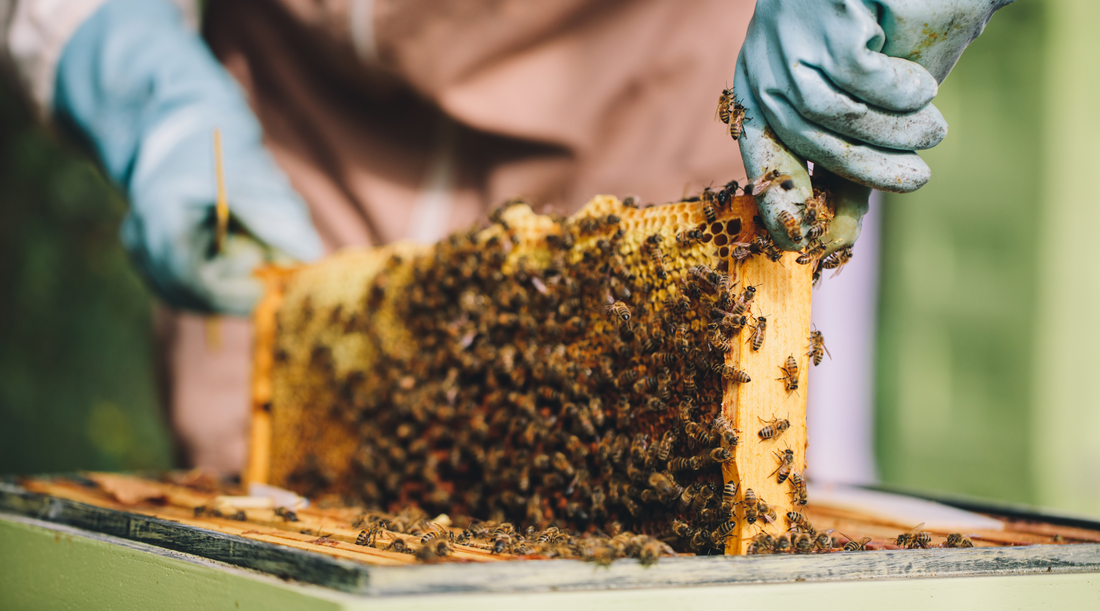
The Role of the Queen Bee in Manuka Honey Production
Discover the vital role of the queen bee in producing mānuka honey, from egg-laying to hive regulation, ensuring a strong workforce for nectar collection.
Learn more