

Nature's News
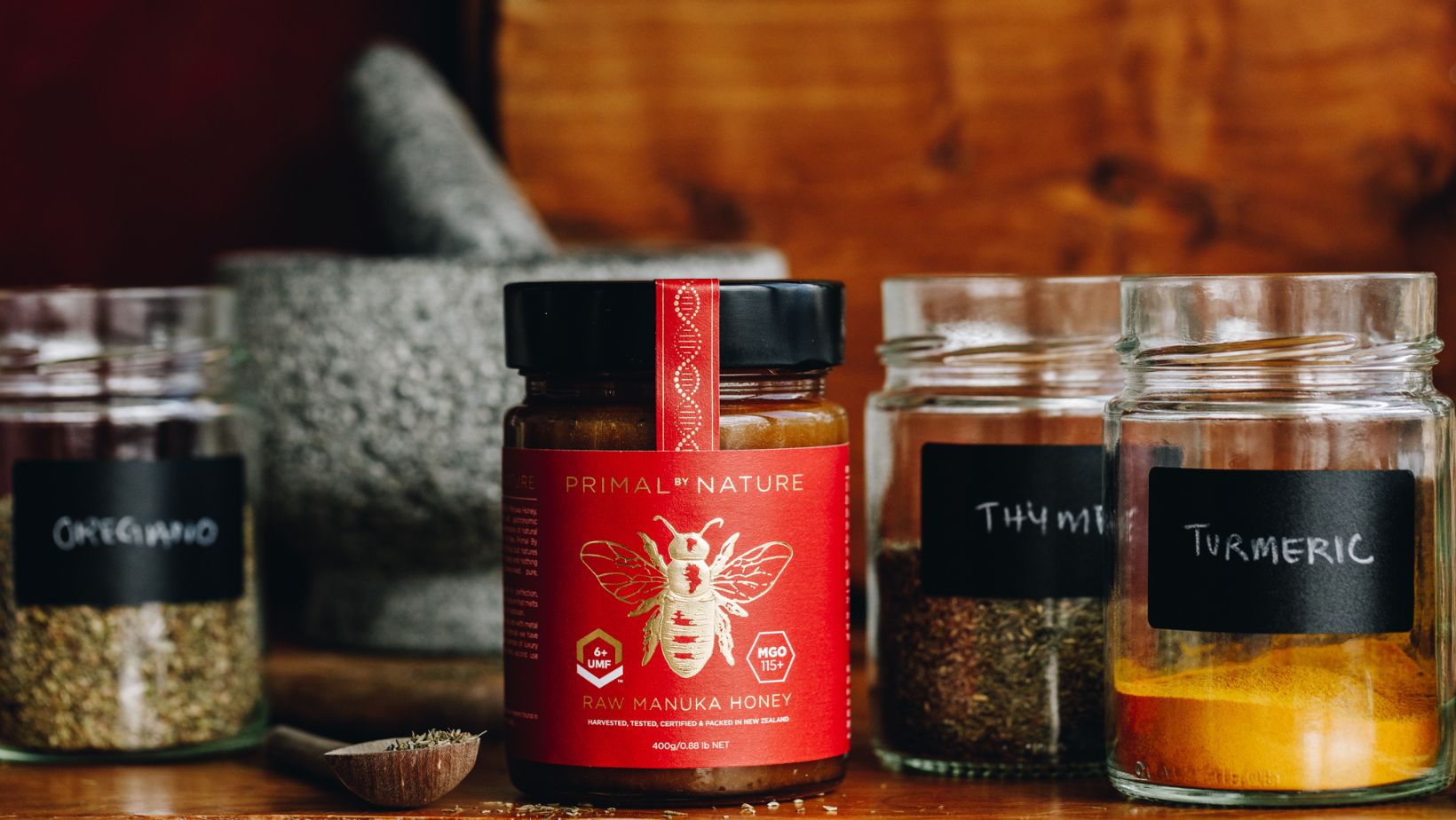
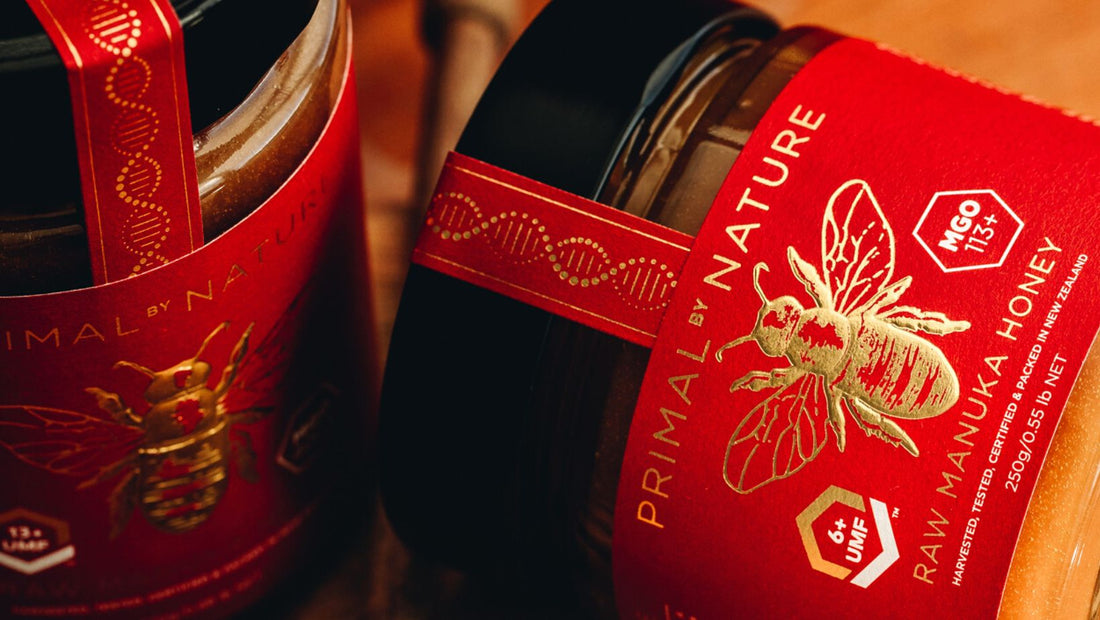
How Does Pure Mānuka Honey Compare To Conventional Honey?
Honey has been used as a natural sweetener and medicinal remedy for thousands of years. However, not all honey is created equal. One type of honey that has gained popularity recently is Mānuka honey, specifically pure and raw Mānuka Honey.
Learn more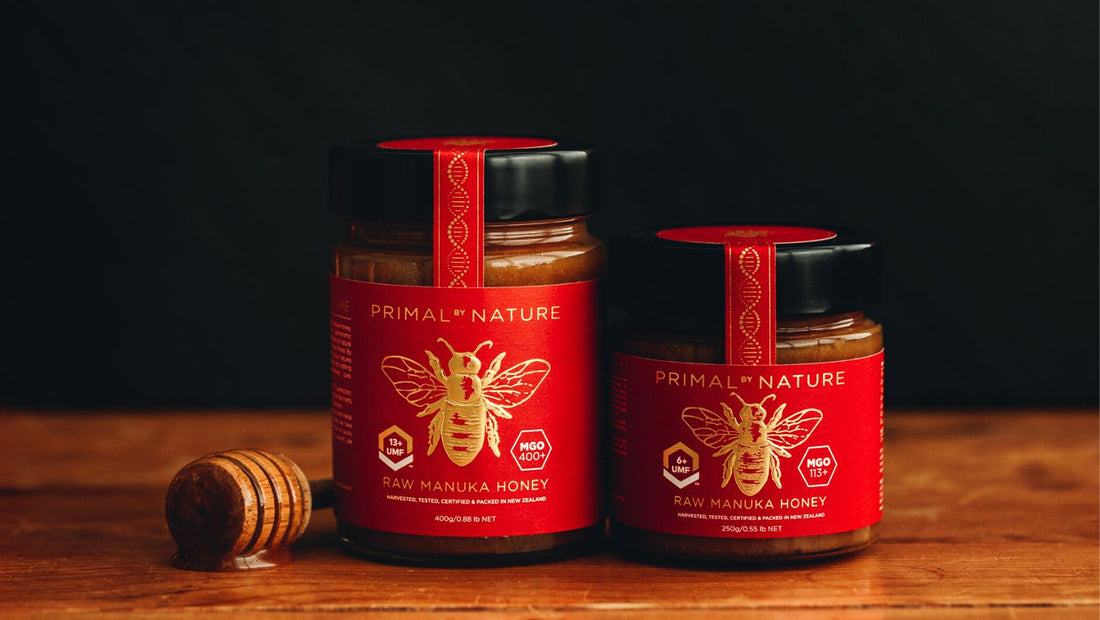
What Is The History of Mānuka Honey?
The Mānuka bush (Leptospermum scoparium) is native to New Zealand and has been an important part of Maori culture for centuries. The Maori people have a deep respect for the natural environment and have used the Mānuka bush for a wide range of purposes, including medicinal, cultural, and culinary.
Learn more
What Does The "Fern" Mark On Our Pure Mānuka Honey Mean?
If you have ever seen a product that proudly displays a fern-shaped tag with "Made in New Zealand" on it, you may be wondering what it represents.
Learn more
UMF™ Mānuka Honey And How It Should Be Used
The pure and raw Mānuka honey of Primal by Nature is a unique type of honey that is produced in New Zealand by bees that feed on the nectar of the Mānuka tree.
Learn more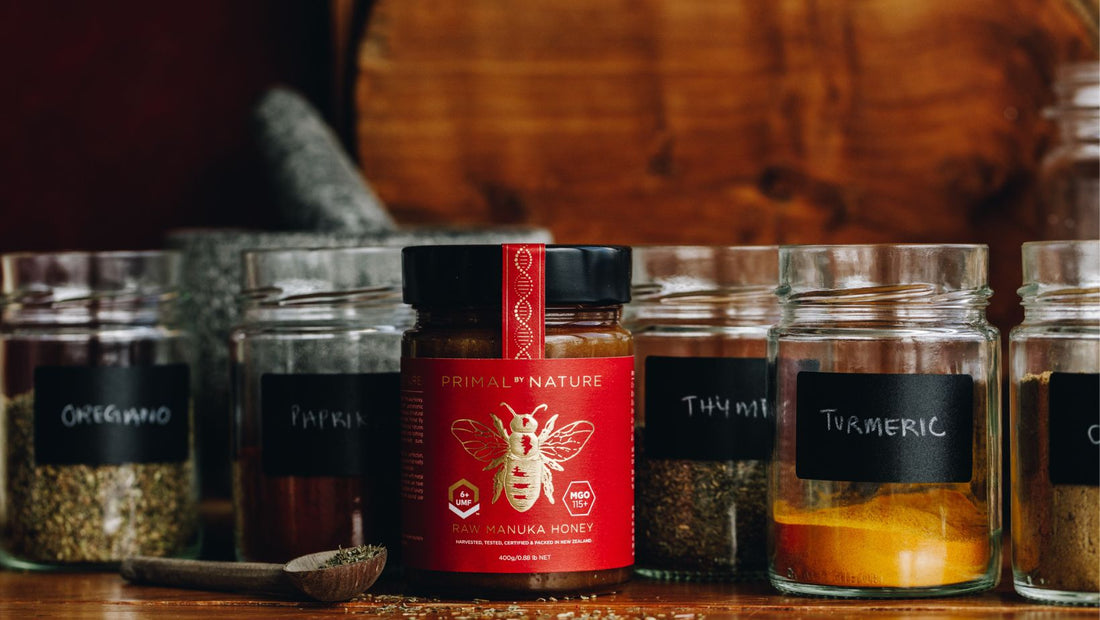
What Makes Primal by Nature Mānuka Honey Unique?
Monofloral Mānuka honey is a type of honey that is produced by bees that feed on the nectar of the Mānuka bush, which is native to New Zealand
Learn more
Can I Only Buy Mānuka Honey From New Zealand?
Yes - you can only purchase 100% pure Mānuka honey in Aotearoa (New Zealand). Ensure you’re getting the very best by enjoying a jar of Primal by Nature’s irresistible monofloral Mānuka honey.
Learn more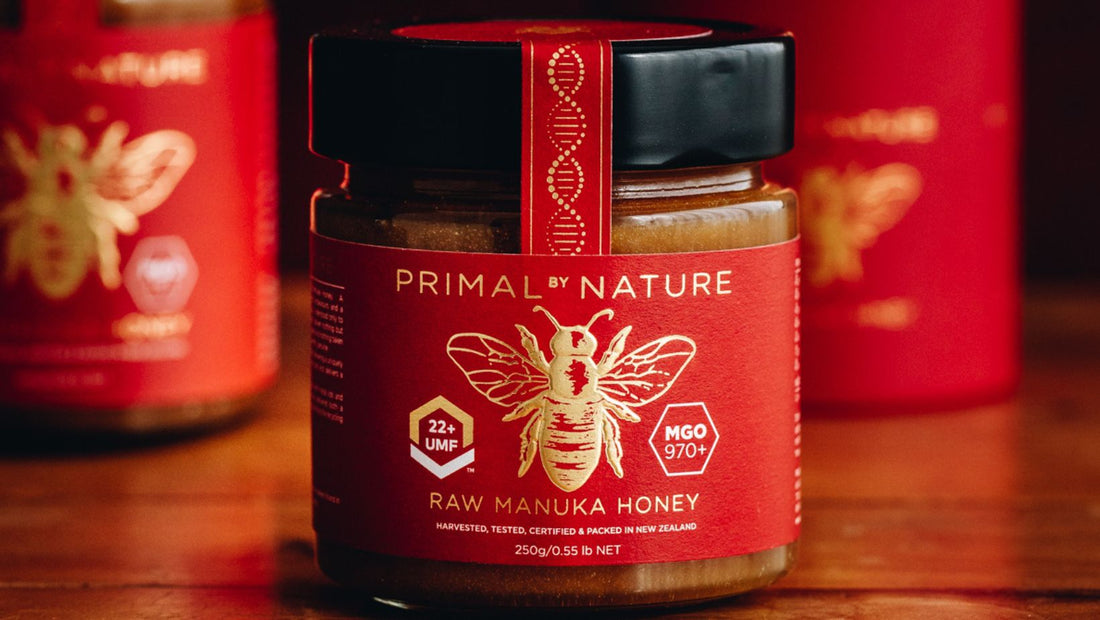
How Can I Ensure That I'm Buying Genuine Mānuka Honey?
Buying premium, raw and pure Mānuka honey is such an exciting time; however, it’s vital you know what to look out for.
Learn more
How MGO Has Helped Mānuka Honey Become So Famous
MGO or methylglyoxal is a hot topic within the natural health sphere, but what exactly is it, and how has it contributed to the fame of raw Mānuka honey?
Learn more
What's So Special About Pure Mānuka Honey?
Join Primal by Nature on this exploration to understand how and why monofloral Mānuka honey has gained its current reputation.
Learn more