

Nature's News
From Hive to Jar: How We Harvest Mānuka Honey
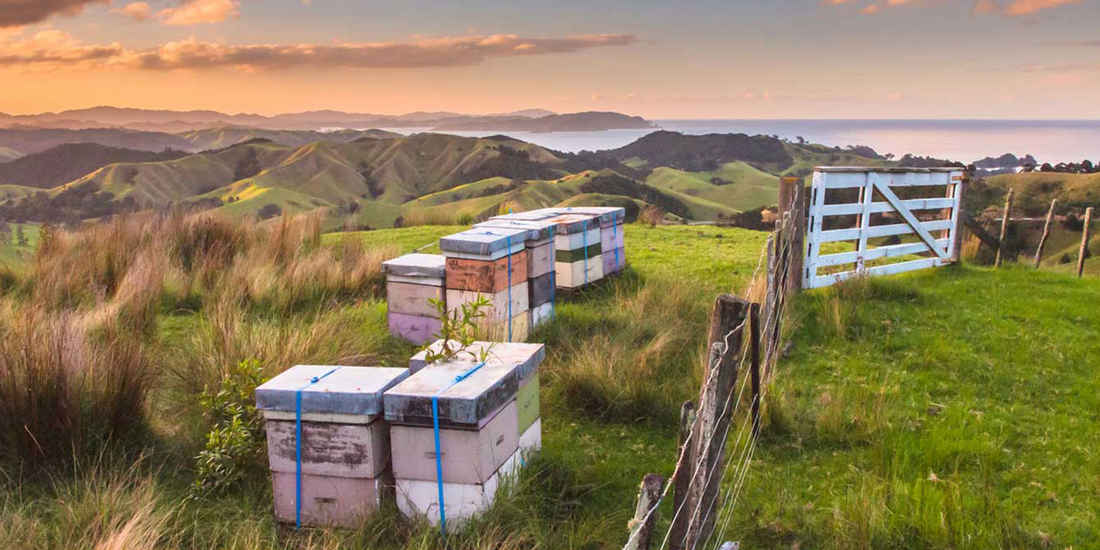
Mānuka honey is unlike any other type of food product - it’s valued for its powerful wellbeing properties and distinctive taste. At Primal by Nature, we know that the harvest process plays a crucial role in delivering a pure, high-quality product. From the moment our bees collect the nectar from wild Mānuka tree flowers to our careful extraction process, every step has been carefully designed to preserve our honey’s natural goodness. With Primal by Nature, you can trust in the care and transparency we bring to every step of the process, preserving its potency and delivering quality Mānuka honey. Finding the Perfect Mānuka Environment Creating quality Mānuka honey begins long before it reaches your jar - it starts with the Mānuka plant itself. Mānuka honey originates from the New Zealand native Mānuka tree (Leptospermum scoparium). While this tree is widely considered to be native to New Zealand, there has been unofficial speculation that the tree may also grow in specific parts of Australia. This native shrub produces flowers that bees flock to for their nectar, resulting in the unique flavours and well-being benefits that make Mānuka honey so prized. At Primal by Nature, we ensure that our hives are placed in untouched, pristine areas that are rich in Mānuka flowers. This sustainable, ethical approach not only supports our local bee populations, but it also guarantees that our honey is of the highest quality. By carefully selecting locations that are abundant in wild Mānuka, we create an ideal environment for our bees to thrive - which enhances the purity and potency of our honey. This commitment to sourcing means that every jar of Mānuka honey reflects our dedication to quality and sustainability, allowing you to enjoy honey that is both high grade and delicious. The Role of Bees in Harvesting Mānuka Honey The process of bees collecting Mānuka honey is done during a narrow window of only a few weeks every year, when the Mānuka flower is blooming. This short flowering season can also become easily affected by hostile weather conditions - which only further increases the rarity of collecting Mānuka. During one foraging trip, a single worker bee can collect the nectar from over one hundred flowers. Once the bees have returned to the hive, the unloading process begins. The house bees will receive the nectar and begin to produce Mānuka honey by adding enzymes and passing the nectar in a chain. This process alters the honey’s PH and chemical composition, whilst also reducing any excess water content - which helps with preservation. To properly dry the honey, the bees will spread it over honeycombs to increase the surface area, then fan their wings for airflow. This reduces the moisture content to below 20%, enhancing the viscosity of the Mānuka honey. Once dried, the honey will be stored in honeycomb cells which are capped with beeswax, further aiding the preservation of the product and keeping it secure until it’s harvested. Gentle Extraction: Preserving Mānuka Honey’s Natural Qualities The extraction methods used by Primal's beekeepers play a crucial role in preserving the pure Mānuka ingredients. The process begins with our beekeepers paying extra care to minimise any disruption to the bees. Primal by Nature is a big believer in ethical beekeeping, which means ensuring the welfare and safety of bees and their natural surroundings. When harvesting the honey, our beekeepers will avoid disrupting the work of the queen bee, allowing her to continue populating the colony naturally without artificial mating practices. We also refuse to use any harmful chemicals, pesticides or honey replacements in order to prioritise our bees’ health and sustainability. Our beekeepers remain vigilant throughout the extraction, they’ll continue to adjust their methods to ensure a thriving, healthy environment for the bees and preserve both their vitality and the quality of the honey they produce. The resulting honey mixture that our beekeepers extract is then kept in large, sterile drums to avoid contamination. From here, the product is lightly churned to break up any clumps - this process is undertaken without heating or influencing the MGO (methylglyoxal) content. This keeps the Mānuka honey pure, raw and unpasteurised. Testing Our Mānuka Honey The final step of harvesting and producing Mānuka honey is the testing stage, which ensures the Mānuka product can be certified to meet the high quality standards that we strive to meet. The testing process for Mānuka honey is essential to confirm its authenticity. Only independent, accredited laboratories should conduct testing for premium brands to ensure accuracy and impartiality. By using unbiased facilities, consumers can trust that the honey they purchase meets all the necessary quality standards.This is why Primal by Nature will use a third-party laboratory to conduct all of our testing practices. One of the key tests that we have conducted on our honey is the Unique Mānuka Factor (UMF™) certification, which assesses the essential chemical and DNA markers that verify its purity. While other certifications like KFactor, BioActive, MGS and NPA exist, UMF™ stands apart by measuring all of the key bioactive ingredients. This makes UMF™ the gold standard for authenticating Mānuka honey, saving you time in choosing the right product. Though it’s primarily for raw honey, UMF™ can also certify other Mānuka products such as lozenges. Our honey is also tested to meet the scientific definition of monofloral Mānuka honey, which is set by the Ministry of Primary Industries (MPI). Each honey product that we sell meets and often exceeds the minimum required leptosperin and MGO concentrations set by UMFHA. This is our way of reassuring consumers that they’re buying 100% genuine New Zealand Mānuka honey. Harvesting Mānuka Honey With Great Care The process that Primal by Nature follows for harvesting Mānuka honey is focused on preserving the natural qualities of the product, every step of the way. From carefully selecting hives in pristine environments that are rich in Mānuka flowers, to employing gentle extraction techniques that put the needs of the bees at the centre, every effort ensures the honey remains pure and potent. Ethical beekeeping practices protect the bees and the hive, avoiding chemicals and disruptions. Plus, we incorporate rigorous testing - including UMF™ certification - as a way of guaranteeing that every jar of honey that we produce reflects the highest standards of quality, sustainability and authenticity.
Learn more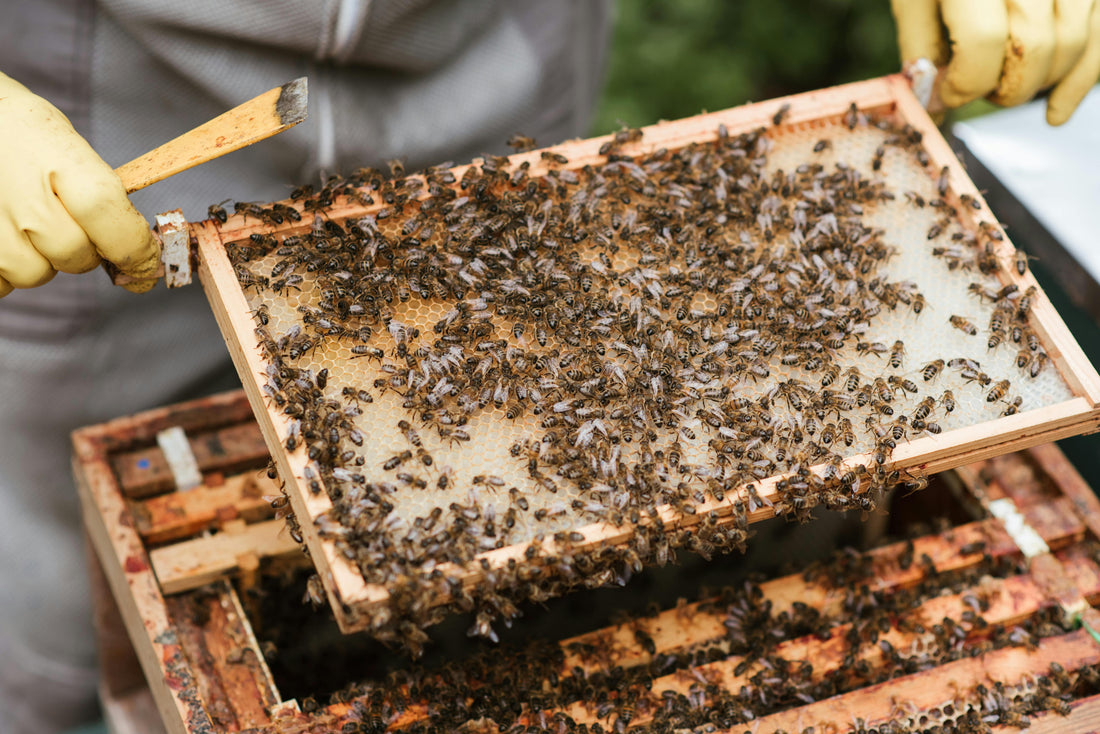
Behind The Hive: Primal's Commitment To Ethical Beekeeping
Here at Primal by Nature, we work hard to deliver a product that isn’t just high quality and great-tasting but also created with sustainable and ethical practice. Thanks to the dedicated work of our beekeepers, we can produce high-grade mānuka honey with a process we can stand by. With the growing importance of ethical practice in all food industries - especially honey - our beekeepers work hard to not just meet the standard, but raise it higher. The welfare and sustainability of our hives is a critical component to the creation of Primal by Nature's products, we remain committed as ever to maintaining this. Our beekeepers are experts - knowing exactly what our bees need and how to produce the best-tasting and highest-quality mānuka honey to leave New Zealand’s shores. What Is Ethical Beekeeping? Ultimately, ethical beekeeping is all about ensuring the welfare and safety of bees and their natural surroundings. Preserving their environment, treating the bees and their process with respect, maintaining the hives and protecting the hives from external dangers are among the practices that our beekeepers commonly follow. To care for the honey, workers must first care for the ones that create it. It’s a requirement for our beekeepers to understand not just bees and their honey-making processes, but the wider picture as a whole. It’s learning about the environment - the range of factors that influence the honey-making process. Beekeepers that understand this ecosystem will practise their craft ethically and responsibly. Caring for bees means caring about the world they live in. Our beekeepers know this, and their work reflects it. The Role of Primal by Nature's Beekeepers The beekeeping crew at Primal by Nature are trained, expert professionals who deeply understand and care for the lifestyle and work of their bees. They understand the impacts of their work - if it’s done well, the bees thrive and the mānuka honey produced is high quality. We ensure every beekeeper who joins Primal by Nature is qualified, but ongoing training is a pivotal part of our crew’s ongoing development. Our beekeepers will be regularly researching new sustainable practices and refining their craft with the best interests of the bees. There’s day-to-day responsibilities that our beekeepers hold. Depending on the weather conditions, our team might be carrying out pest checks - which ensure the bees are safe from animals that might do harm - or be monitoring the colonies for any signs of distress. The beekeepers will inspect the brood (or nurseries) inside the hives to make sure the baby bees are growing healthily, they’ll also check whether particular colonies have larger amounts of eggs appearing. This might be a sign the queen bee is actively laying. Add in the additional responsibilities of caring for the wider environment, plus harvesting the mānuka, and you quickly realise our beekeepers have a lot of work on their plate. It’s critical the process is ethically practised so our bees remain safe and the honey remains at the highest standard possible. How Do Our Beekeepers Ethically Maintain and Harvest the Mānuka Honey? Beekeeping is all about working in harmony with the bees. There’s a partnership between the keeper and the insects, when both work together the product is of the highest quality. It begins with letting nature run its course. Our beekeepers know that our bees have been producing mānuka honey for thousands of years without their help, so there’s no room for micromanagement or over-controlling the bee’s environment. Sometimes the best way to help bees when they’re overcoming environmental or health challenges, is to leave them alone. Our beekeepers practise a non-invasive approach to maintaining the hives and harvesting the honey. This is done to minimise the stress and disruption to the bees, it’s critical they remain feeling safe so the quality of their product never drops. The queen, for example, is integral to a hive’s survival. When our beekeepers harvest the mānuka, they’re trained to recognise the queen and avoid disrupting her during the honey collection. Also, we avoid any practices that encourage artificial mating within the hives, to ensure the queen does what she does best - populate the colonies. Our hives are designed for the environmental thriving of the bees. We actively avoid overcrowding the hives and we’re also intentional about the size of the hives - for instance the larger they are, the more often the bees can find themselves overworked. Our hives are sized appropriately to protect the work ethic of these productive creatures. We won’t use honey replacements or any harmful chemicals, we’ll also avoid any pesticides that can cause serious harm to bee populations. At the end of the day, our keepers are constantly working to provide a sustainable future for our bees - which means remaining vigilant to their practices and tweaking them whenever necessary. The Benefit of High Standards for Mānuka Honey Beekeeping Because mānuka is such a high quality honey product, the results must be reflected in the work to create it. The ethical practices of our beekeepers leads to a superior form of mānuka honey, free from contaminants and rich in natural nutrients. Bees need the freedom to create mānuka honey in the most natural way possible - the more human interference, the more likely the product will lose its value, either through its taste or overall quality. It’s critical that when our beekeepers are overseeing the honey making process, they understand their role is one of stewardship, not control. Some beekeepers might believe they know best and fall into the trap of over-controlling the mānuka making process. This will likely lead to a form of honey product that barely reflects mānuka’s quality, ingredients and taste. Our beekeepers are different, they understand the delicacy of the work the bees are carrying out - and what a beekeeper’s responsibility actually looks like. We’re transparent with our ethical approach to beekeeping, because it’s important our customers can trust the product they’re purchasing. We live in an age where sustainability and ethical practice actually means something - they can’t be meaningless virtues, they’ve got to be put to work. Fortunately, every team member at Primal by Nature - starting with our beekeepers on the ground - are deeply dedicated to sustainable practice. It’s not just a virtue, it’s a conviction that our entire team holds dear. It ensures the honey production remains as natural as possible, and that the product we produce is the best form of mānuka honey available on the market. Ethical Beekeeping Results in the Best Mānuka Products Available At Primal by Nature, ethical beekeeping is more than a practice, it’s a promise. Our dedication to ethical beekeeping ensures that every jar of mānuka honey is hitting the highest standards, whilst still supporting sustainable and responsible production. Our beekeepers are always concentrated on the well-being of our bees, ensuring their harvesting and maintenance work supports environmental stewardship and the health of our ecosystems. Purchase Primal by Nature's mānuka product and you’re not just buying a world class product, but you’re subscribing to the values of ethical practice and sustainability that we stand by. You’re making a choice that goes beyond honey - it’s supporting the future of the planet and the welfare of its hard working pollinators.
Learn more
Why Primal Mānuka Honey protects its New Zealand heritage
Mānuka honey is perhaps one of New Zealand’s most profound natural exports. Not only because of the product - which stands apart due to its high MGO ratings - but its deep New Zealand roots that makes it an authentic, native honey. This is why Primal by Nature's mānuka honey is 100% locally owned - it’s collected from a native bush and created within hives that are built and maintained by locals who know the land. It’s a product that’s been discovered, developed and refined by Kiwis, so Primal works hard to preserve mānuka’s New Zealand roots. From production, to certification and packaging, Primal by Nature has gone above and beyond to produce a brand of native honey in the most sustainable and ethical ways possible, because Mānuka’s history reflects the type of natural quality that defines New Zealand. Mānuka Honey’s New Zealand Roots Considered one of New Zealand’s most iconic and beloved natural substances, the “liquid gold” that is mānuka dates back as early as indigenous Maori. The population were known to use the redwoods from the Mānuka bush to create tools - like weapons, spades and bird spears. Meanwhile the plant’s bark would be used as a naturopathic remedy to treat wounds, or prevent gum disease. Then Captain James Cook discovered New Zealand and found that the mānuka leaf could be used as an alternative to tea. He then found another use for the leaf, using it instead as a treatment to reduce the impacts of scurvy - or vitamin C deficiency - amongst the men who sailed with him. Sadly as the decades progressed, mānuka began to loose its value. Beekeepers would lament at how difficult they found it to extract the product from their hives, plus its flavour was considered far too overwhelming to enjoy. In fact, it wasn’t until the 1980’s that a prominent biochemist, Dr Peter Molan took an interest in the mānuka plant and began experimenting on its honey in a controlled lab environment, in turn discovering it had an antibacterial capability. Molan’s research dramatically changed the very reputation of mānuka, transforming it from a product that nobody wanted to a greatly beloved and desired brand of honey that is now shipped around the globe. Native Honey Created By Kiwi Ingenuity As the liquid gold rush for mānuka began to heat up, questions began to arise over where the product had come from in the first place - and why New Zealand seemed (at the time) to be the only country the honey came from. The creation of mānuka honey begins with the dynamic work and labour of our well-loved honeybees, who tirelessly collect nectar from the blossoms of Leptospermum scoparium - more commonly known as the Mānuka Tree. For only a brief six-week period, this tree will bloom and honeybees will rush to collect its goodness from within the petals. These majestic trees, some found in remote regions of New Zealand, are the birthplace of mānuka honey and are native to New Zealand. The bees were, naturally, one step ahead of New Zealand’s citizens. It took the curiosity of a New Zealand beekeeper, Terry Bone, to notice the bee’s strange relationship with the mānuka tree compared to the other plants. He’d noticed that his bees were choosing to gather nectar from the mānuka bush, in turn ignoring other nearby flowers for seemingly no reason. It prompted Bone to explore deeper into the honey that was being produced from his hives, which ultimately led to mānuka honey’s initial development. This was the first major step taken by New Zealand to refine a 100% locally-made resource. The second step, taken by Dr Molan, involved researching the mānuka product extensively within his laboratory at the University of Waikato. His investigation uncovered the remarkable connection between the activity of mānuka honey and the presence of a compound known as methylglyoxal (MGO). While other honey products have been known to carry much smaller degrees of MGO, mānuka honey carried an exponentially higher concentration of the chemical compound. These two revelations came together and resulted in a product that reflected New Zealand’s world-class capabilities for honey development. Mānuka was a local invention using local products, resulting in a show stopping honey that revolutionised the industry. Primal By Nature's 100% Locally-Owned Product Inspired by mānuka honey’s story and heritage, Primal by Nature has a delicate approach towards creating and producing its mānuka honey, being careful not to interrupt a cycle that’s been naturally occurring for thousands of years. After all, the honey is already perfect - we just want to present that perfection in the most authentic way possible. It all begins with the New Zealand landscapes - the flourishing greenery where bees thrive as they produce the sweet mānuka gold. That’s why we’ve set up our hives in the heart of these lush, remote environments where the mānuka bushes have always grown so abundantly. Some of these locations are so remote that beekeepers require helicopters to access the hives, but it’s worth it to preserve the product’s New Zealand roots. This is also a crucial step in the mānuka production process, because it ensures the bees have access to the purest possible nectar. By keeping the hives in such pristine locations, we can guarantee the highest-quality mānuka honey. When the time is right, the beekeepers will carefully begin the harvesting process. To ensure the Kiwi spirit of conservation, there will be particular attention given to make sure the bees aren’t harmed during the process. The honeycombs are removed from the hives and the honey is extracted using specialised methods. Producing UMF-Certified Mānuka Honey With Kiwi Quality Quality control is of the strictest importance to Primal by Nature mānuka products. Once harvested, the honey will undergo a methodical series of testing and certification processes to ensure it meets the standards of a world-class New Zealand product. Because it reflects an iconic New Zealand export, Primal by Nature will go above and beyond to ensure the highest possible standards are met. Each batch is tested for its MGO content, plus other critical markers such as the Unique Mānuka Factor (UMF). The UMF rating will measure the honey’s purity and potency, something that guarantees the product can genuinely be considered high quality. Because we deeply value the traditions and roots of mānuka honey, Primal by Nature's products only ever hit the highest percentile of this rating. Each jar of honey that we sell exceeds the minimum leptosperin and MGO concentrations set by UMF™HA. As a result, consumers can buy from Primal by Nature confidently, knowing that we are only selling 100% genuine New Zealand Mānuka honey. Mānuka Honey’s Story Lives On Through Primal By Nature's Product All of Primal by Nature's mānuka honey products are a proud reflection of their native relationship with New Zealand. From its indigenous roots, to its development and cultivation from Kiwis who recognised its properties, mānuka honey is the result of a nation that prides itself on its natural substances. This is why Primal works hard to preserve the New Zealand roots of Mānuka at all costs. Because it’s unique, it’s a product that wasn’t designed in a lab - but forged in the native forests and landscapes that define Aotearoa. The heritage is too special to leave behind, so Primal by Nature incorporates the native honey into every step of production. When you purchase Primal by Nature's mānuka honey, you’re not just purchasing a high quality honey that contains fantastic natural ingredients. You’re buying a slice of New Zealand, a portion of its story that’s bottled into a beautiful jar and ready to be enjoyed.
Learn more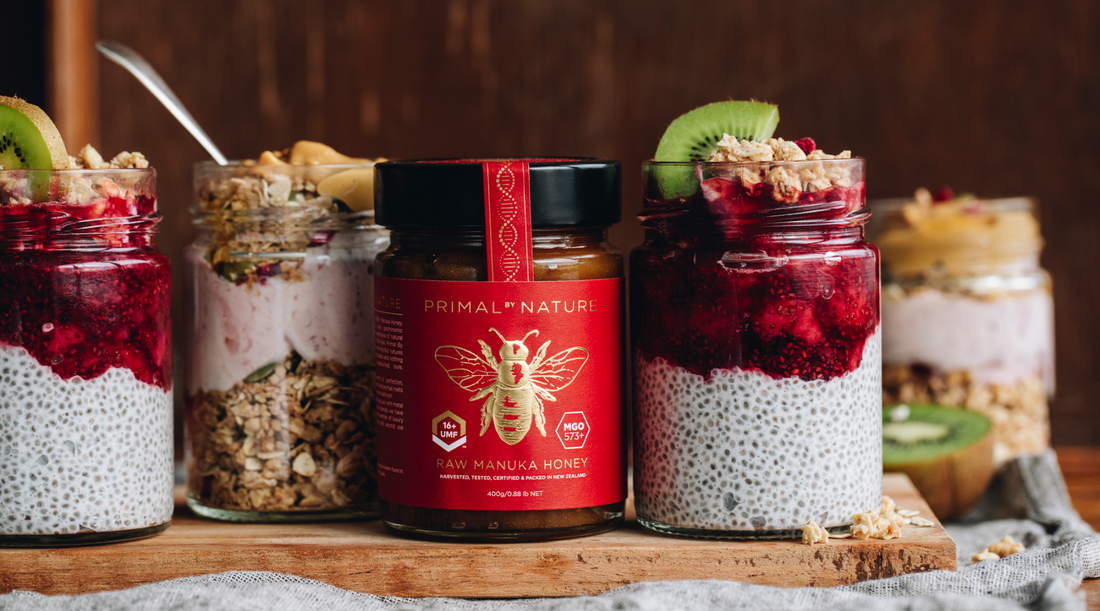
Autumn Recipes with High-Quality Manuka Honey
What makes mānuka honey so special, and how is it used in culinary traditions across the globe?
Learn more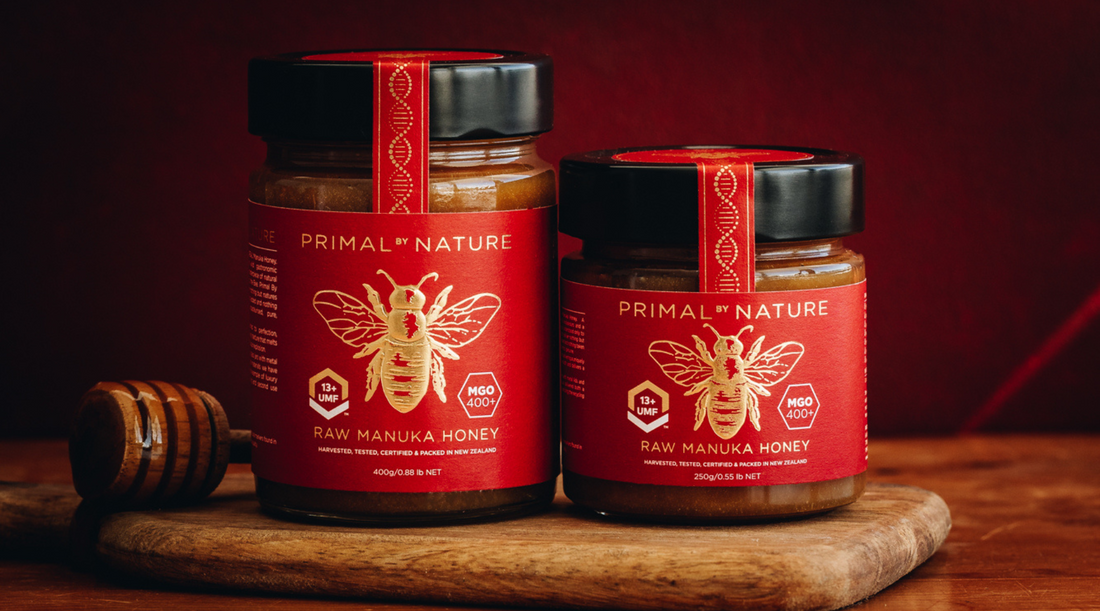
Manuka Honey and Culinary Culture: A Global Perspective
What makes mānuka honey so special, and how is it used in culinary traditions across the globe?
Learn more