

Nature's News
Exploring the Cultural Significance of the Mānuka Tree
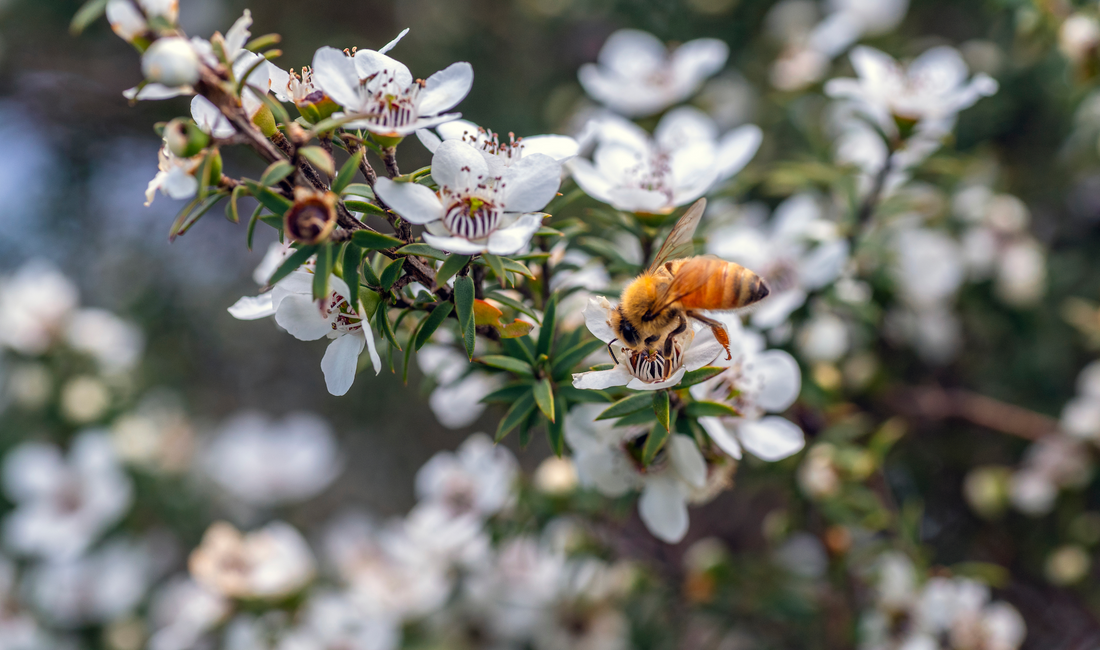
While Mānuka honey enjoys global fame for its remarkable properties, the story of the Mānuka tree runs much deeper in the native roots of New Zealand. Beyond its role as the source of this “liquid gold”, the Mānuka tree holds a significant place in Māori culture, history and the country’s unique identity - which is what brings such significant value to Mānuka honey as a product. Today, we’ll delve into the fascinating cultural connections between New Zealand and the versatile Mānuka tree - responsible for producing the ingredients to Primal by Nature's world class honey products. Mānuka in Māori Tradition For indigenous Māori, the Mānuka tree has been an invaluable treasure for centuries as it’s been woven deeply into their daily lives and spiritual practices. This versatile tree, known formally as “Leptospermum scoparium” provided a wealth of resources, showcasing the interconnectedness of Māori and the natural world. In terms of traditional medicine, the Māori harnessed Mānuka’s properties in numerous ways. According to studies, infusions made with the leaves were used to reduce fevers and treat stomach and urinary problems. Gum produced from the tree was used as a moisturiser for burns, and to ease coughing. Meanwhile, decoctions from the bark were used as a sedative, a mouthwash and to treat diarrhoea and fever. Beyond its value for wellbeing, Mānuka also played a crucial role in practical applications. Its strong and durable wood was expertly crafted into tools, weapons and even building materials for houses. The bark, when stripped and shaped, became containers for storing food and water while the inner bark, known for its waterproof nature, was ingeniously used as a protective layer for roofing. Furthermore, the Māori held a deeply spiritual appreciation for the Mānuka tree, likely featuring it in rituals and ceremonies. In Māori folklore, the Mānuka tea tree was considered a gift from the gods - containing healing powers to protect the people. The honey produced from its nectar was believed to carry the same divine properties and was thought capable of curing illnesses and warding off evil spirits. This holistic approach to utilizing the Mānuka tree highlights the profound respect Māori held for the natural world and their understanding of its intricate balance. Mānuka Woven Into New Zealand’s Identity The Mānuka tree isn’t just a botanical specimen - it’s deeply intertwined with New Zealand’s national identity - embodying the very essence of the country’s natural beauty, resilience and cultural heritage. Native to New Zealand, early European settlers were quick to pick up on the knowledge founded by the Māori and used the leaves to make tea and even brew beer. They extracted oil from the leaves for medicinal and cosmetic purposes and the wood of the tree was used for tools and furniture. These days, the sight of Mānuka flowers - with its delicate white and pink flowers blooming across diverse landscapes - has become an iconic representation of the country’s natural beauty. These blossoms, often captured in photographs and artwork, evoke a sense of serenity and connection to the land - resonating deeply with Kiwis and visitors alike. It’s due to this iconic nature of the Mānuka plant that it now sits at the centre of modern New Zealand society - playing a vital role in environmental conservation, cultural revival and even artistic inspiration. The Mānuka tree has become the focal point for protecting and cultivating the environment through recognition of the vital role that Mānuka plays in the ecosystem. In 2019, an experiment was carried out by the Institute of Environmental Science and Research (ESR) to determine whether Mānuka trees can reduce nitrate run-off from farms entering the shores of a lake in the Waikato. Results confirmed that the root system of the tree was capable of reducing both pathogens and nitrates. There’s been increased movements to protect and restore Mānuka forests - these movements have been driven by the understanding that these forests provide essential habitat for a variety of native birds and insects, contributing to the overall biodiversity and health of the New Zealand environment. Government initiatives in this space include the National Policy Statement for Indigenous Biodiversity - introduced in 2023 in an effort to require local councils to actively protect and enhance indigenous biodiversity - including Mānuka plants. The Mānuka plant was also one of the key species in many projects of the Government’s One Billion Trees programme, allocating funding to support native forest restoration. Furthermore, there’s been a resurgence of interest in traditional Māori knowledge surrounding the Mānuka tree. This knowledge, passed down orally through generations, encompasses a deep understanding of the tree’s properties and uses for wellbeing, tools and spiritual practices. Today, communities and organisations are actively working to understand and revitalise these traditions, incorporating them into contemporary practices such as natural health remedies and ecological restoration projects. This cultural revival not only strengthens the connection between Māori and their heritage, but also provides valuable insights for creating a more sustainable and harmonious relationship with the natural world. The Mānuka tree also serves as a powerful muse for artists, writers, and musicians. Its beauty, resilience, and cultural significance has inspired creative expressions in a variety of forms. Painters capture the delicate beauty of Mānuka blossoms on canvas, while writers weave tales of its strength and connection to the land. Musicians find inspiration in the rustling leaves and the humming of bees amongst the Mānuka flowers, composing songs that evoke the spirit of New Zealand. This artistic engagement further reinforces the Mānuka tree's place in New Zealand's identity, ensuring its story continues to be told and celebrated for generations to come. Mānuka: A Slice of Culturally Significant Kiwi Nature The Mānuka tree is far more than just a source of the famous honey that bears its name, it represents a link between the country’s past, present and likely its future. For the Māori people, it was considered a treasure for centuries. They used it for medicinal purposes, tools and shelter - even using it within spiritual contexts. This intimate knowledge and respect for the Mānuka tree speaks volumes about their attitude towards the plant - it wasn’t a resource to be exploited, but a living entity to be protected. Today, the Mānuka tree continues to inspire and connect people to the land. Conservation efforts continue to preserve and restore Mānuka forests, recognising their vital role in biodiversity and ecosystem health. By appreciating the cultural significance of the Mānuka tree, we gain a deeper understanding of New Zealand’s unique story. It’s one of resilience, resourcefulness and a deep connection to the natural world.
Learn more
From Hive to Jar: How We Harvest Mānuka Honey
Mānuka honey is unlike any other type of food product - it’s valued for its powerful wellbeing properties and distinctive taste. At Primal by Nature, we know that the harvest process plays a crucial role in delivering a pure, high-quality product. From the moment our bees collect the nectar from wild Mānuka tree flowers to our careful extraction process, every step has been carefully designed to preserve our honey’s natural goodness. With Primal by Nature, you can trust in the care and transparency we bring to every step of the process, preserving its potency and delivering quality Mānuka honey. Finding the Perfect Mānuka Environment Creating quality Mānuka honey begins long before it reaches your jar - it starts with the Mānuka plant itself. Mānuka honey originates from the New Zealand native Mānuka tree (Leptospermum scoparium). While this tree is widely considered to be native to New Zealand, there has been unofficial speculation that the tree may also grow in specific parts of Australia. This native shrub produces flowers that bees flock to for their nectar, resulting in the unique flavours and well-being benefits that make Mānuka honey so prized. At Primal by Nature, we ensure that our hives are placed in untouched, pristine areas that are rich in Mānuka flowers. This sustainable, ethical approach not only supports our local bee populations, but it also guarantees that our honey is of the highest quality. By carefully selecting locations that are abundant in wild Mānuka, we create an ideal environment for our bees to thrive - which enhances the purity and potency of our honey. This commitment to sourcing means that every jar of Mānuka honey reflects our dedication to quality and sustainability, allowing you to enjoy honey that is both high grade and delicious. The Role of Bees in Harvesting Mānuka Honey The process of bees collecting Mānuka honey is done during a narrow window of only a few weeks every year, when the Mānuka flower is blooming. This short flowering season can also become easily affected by hostile weather conditions - which only further increases the rarity of collecting Mānuka. During one foraging trip, a single worker bee can collect the nectar from over one hundred flowers. Once the bees have returned to the hive, the unloading process begins. The house bees will receive the nectar and begin to produce Mānuka honey by adding enzymes and passing the nectar in a chain. This process alters the honey’s PH and chemical composition, whilst also reducing any excess water content - which helps with preservation. To properly dry the honey, the bees will spread it over honeycombs to increase the surface area, then fan their wings for airflow. This reduces the moisture content to below 20%, enhancing the viscosity of the Mānuka honey. Once dried, the honey will be stored in honeycomb cells which are capped with beeswax, further aiding the preservation of the product and keeping it secure until it’s harvested. Gentle Extraction: Preserving Mānuka Honey’s Natural Qualities The extraction methods used by Primal's beekeepers play a crucial role in preserving the pure Mānuka ingredients. The process begins with our beekeepers paying extra care to minimise any disruption to the bees. Primal by Nature is a big believer in ethical beekeeping, which means ensuring the welfare and safety of bees and their natural surroundings. When harvesting the honey, our beekeepers will avoid disrupting the work of the queen bee, allowing her to continue populating the colony naturally without artificial mating practices. We also refuse to use any harmful chemicals, pesticides or honey replacements in order to prioritise our bees’ health and sustainability. Our beekeepers remain vigilant throughout the extraction, they’ll continue to adjust their methods to ensure a thriving, healthy environment for the bees and preserve both their vitality and the quality of the honey they produce. The resulting honey mixture that our beekeepers extract is then kept in large, sterile drums to avoid contamination. From here, the product is lightly churned to break up any clumps - this process is undertaken without heating or influencing the MGO (methylglyoxal) content. This keeps the Mānuka honey pure, raw and unpasteurised. Testing Our Mānuka Honey The final step of harvesting and producing Mānuka honey is the testing stage, which ensures the Mānuka product can be certified to meet the high quality standards that we strive to meet. The testing process for Mānuka honey is essential to confirm its authenticity. Only independent, accredited laboratories should conduct testing for premium brands to ensure accuracy and impartiality. By using unbiased facilities, consumers can trust that the honey they purchase meets all the necessary quality standards.This is why Primal by Nature will use a third-party laboratory to conduct all of our testing practices. One of the key tests that we have conducted on our honey is the Unique Mānuka Factor (UMF™) certification, which assesses the essential chemical and DNA markers that verify its purity. While other certifications like KFactor, BioActive, MGS and NPA exist, UMF™ stands apart by measuring all of the key bioactive ingredients. This makes UMF™ the gold standard for authenticating Mānuka honey, saving you time in choosing the right product. Though it’s primarily for raw honey, UMF™ can also certify other Mānuka products such as lozenges. Our honey is also tested to meet the scientific definition of monofloral Mānuka honey, which is set by the Ministry of Primary Industries (MPI). Each honey product that we sell meets and often exceeds the minimum required leptosperin and MGO concentrations set by UMFHA. This is our way of reassuring consumers that they’re buying 100% genuine New Zealand Mānuka honey. Harvesting Mānuka Honey With Great Care The process that Primal by Nature follows for harvesting Mānuka honey is focused on preserving the natural qualities of the product, every step of the way. From carefully selecting hives in pristine environments that are rich in Mānuka flowers, to employing gentle extraction techniques that put the needs of the bees at the centre, every effort ensures the honey remains pure and potent. Ethical beekeeping practices protect the bees and the hive, avoiding chemicals and disruptions. Plus, we incorporate rigorous testing - including UMF™ certification - as a way of guaranteeing that every jar of honey that we produce reflects the highest standards of quality, sustainability and authenticity.
Learn more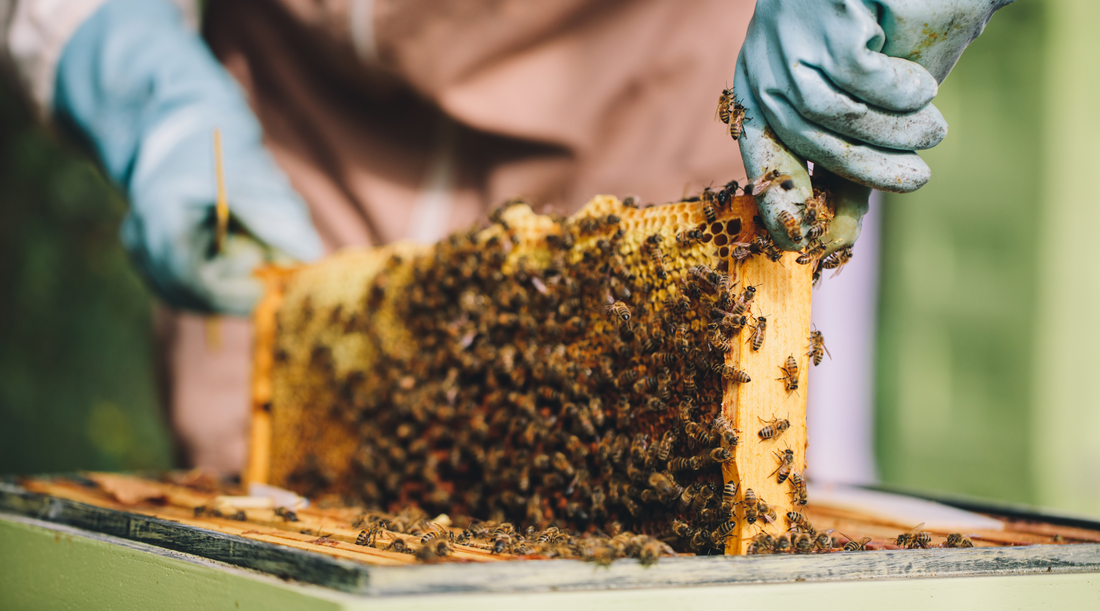
The Role of the Queen Bee in Manuka Honey Production
Discover the vital role of the queen bee in producing mānuka honey, from egg-laying to hive regulation, ensuring a strong workforce for nectar collection.
Learn more